


✓ Free shipping in NL from €500,-
✓ Buying stocklots since 1979
A stock buyer helps you get rid of excess stock quickly. Need warehouse space or want to free up cash quickly? A stock buyer will buy your stock in one go - often within days, without any hassle. At Kooistra.com, we even arrange this within 24 hours.

In short: An outdoor planter must be weather-resistant, drain well, and match your garden style. Plastic, concrete, and glazed earthenware are frost-proof and durable. Choose a size that suits your plants and combine it with garden furniture, such as a garden lounge sofa, for a harmonious outdoor space. At Kooistra, you'll find quality garden items at competitive prices.
An outdoor planter transforms your garden, patio, or balcony into a green oasis. Whether you want to grow herbs, showcase flowers or create a border garden: the right planter makes all the difference. The Dutch garden sector grows annually by 3-4%, with sustainable and functional garden products becoming increasingly popular. A good planter is an investment that lasts for years, provided you make the right choice.
Frost-resistant materials such as plastic, concrete, and glazed pottery are best suited for outdoor use. These materials can withstand temperature fluctuations, UV radiation, and moisture without cracking or discolouring. Plastic is lightweight and low-maintenance, concrete offers a robust appearance, and glazed pottery combines aesthetics with durability.
Unglazed terracotta is less suitable for the Dutch climate. In frost, the porous material can absorb water which expands when freezing, causing cracks. According to CBS-figures on climate change continue to impress in the Netherlands, with an average of 15-20 frost days still occurring each winter, particularly in the east and north.
Metal planters such as corten steel or galvanised steel are gaining in popularity. They offer an industrial look and are extremely durable. Please note: metal heats up quickly in the sun, which can cause root damage. Consider a double wall or insulating liner for large outdoor planters. At Kooistra.com you will regularly find party goods garden items in diverse materials at interesting conditions.
The ideal size depends on your plant choice and available space. Small herbs need at least 20 cm depth, shrubs and small trees require 40-60 cm. As a rule of thumb, the planter should be 1.5 to 2 times the diameter of the root ball for healthy root growth. A large outdoor planter (80+ cm) offers more stability in wind and buffers temperature fluctuations better.
Elongated planters (60-120 cm) are ideal for creating a border garden on your patio or balcony. You can combine different plants to create seasonal effects. Square or rectangular planters make optimal use of corner spaces and complement modern garden designs.
Also consider the total weight: a large pot filled with wet potting compost can easily weigh 50-100 kg. Check whether your patio or balcony can bear this. Central Government-guidelines for balconies require a minimum load-bearing capacity of 250 kg/m², but older balconies sometimes have lower capacities. Distribute the weight by using several smaller planters or opt for lightweight plastic with good drainage.
Good drainage is crucial to prevent root rot. Every outdoor planter must have at least 3-5 holes in the base, 8-12 mm in diameter. On the bottom, place a drainage layer of 3-5 cm of hydro granules, gravel, or broken pottery. This prevents holes from becoming blocked and ensures air circulation to the roots.
When baking without holes, you can drill them yourself, but pay attention to the material: plastic and wood are easy, while with concrete or ceramics, you'll need a diamond drill bit. For large planters, use a water-permeable garden fabric between the drainage and potting soil to maintain separation without hindering water drainage.
During heavy rainfall, consider raising the planter by 2-5 cm, for example, using paving support pads or feet. This will prevent the planter from standing in water and significantly extend the lifespan of the material.
A harmonious garden design combines planters with furniture in complementary styles and colours. Strategically place an outdoor planter next to a garden lounge sofa or outdoor lounge chair to create privacy or delineate zones. This creates a natural separation between seating and green areas without rigid fences or screens.
For modern lounge furniture, opt for sleek, rectangular planters in charcoal, black, or concrete-look. For rustic or boho styles, rattan, wood, or terracotta work better. Play with heights: use a combination of low and high planters to create depth, or place planters at different levels with plant stands.
Colour accents in the planting can be echoed in the cushions or decoration of your garden furniture. Also, consider practical aspects: plant pots can serve as natural windbreaks for your seating area or provide shade via climbing plants on a trellis. Kooistra regularly has garden furniture and accessories for sale. with which you can achieve a complete outdoor concept at wholesale prices.
An outdoor planter is more than just a functional garden product: it's a design element that combines comfort, greenery, and style. Opt for frost-proof materials, ensure adequate drainage, and choose a size that suits your plants and space. Combine with garden furniture, such as a garden lounge bench, to create an inviting outdoor living area. Kooistra.com offers garden items and planters in bulk at competitive prices—ideal for large-scale garden projects or resellers. Browse our ever-changing selection and create your dream green garden.
Meta description: Buying an outdoor planter? Discover what materials, sizes, and drainage you need. Plus tips for combining with garden furniture. ✓ Kooistra
Plastic, concrete and glazed earthenware are ideal for outdoor use. These materials are frost-resistant and can withstand rain, wind and temperature fluctuations. Plastic is lightweight and low-maintenance, concrete offers stability for large plants, and glazed earthenware combines durability with aesthetics. At Kooistra.com, you'll find high-quality planters in various materials at competitive wholesale prices.
The size depends on your plant choice and available space. Herbs need a minimum depth of 20 cm, flowers 25-30 cm, and shrubs or small trees 40+ cm. Ensure there is enough width for roots to develop. Larger containers better buffer temperature fluctuations and require less frequent watering, which is ideal for busy gardeners.
Yes, good drainage is essential to prevent root rot. Check that the planter has holes in the bottom for water drainage. Place a layer of hydro granules or gravel at the bottom for optimal drainage. This will prevent plants from drowning during heavy rainfall. Planters without holes are only suitable as decorative pots with a removable inner pot.
Modern plastic plant pots are very durable and UV-resistant. High-quality polypropylene or polyethylene will last for years without discolouring or cracking. They are frost-resistant, easy to move, and available in natural appearances that imitate wood or stone. Kooistra.com offers batches of quality plastic plant pots that last for years at attractive wholesale prices for individuals and professionals.
Create harmony by matching planters to your garden furniture. Place tall planters as room dividers next to a garden lounge set or group several planters of different heights for visual dynamism. Choose colours and materials that support your garden style: natural tones with wood, anthracite with modern design. Planters soften hard lines and connect seating areas with the rest of your garden.
Offer your goods over the phone, directly to our buyer. In many cases, you will receive an offer immediately!
Easily append your offer via WhatsApp and receive an offer quickly!
Send your offer by e-mail to inkoop@kooistra.com Do you want to send large files? Then use Wetransfer.com
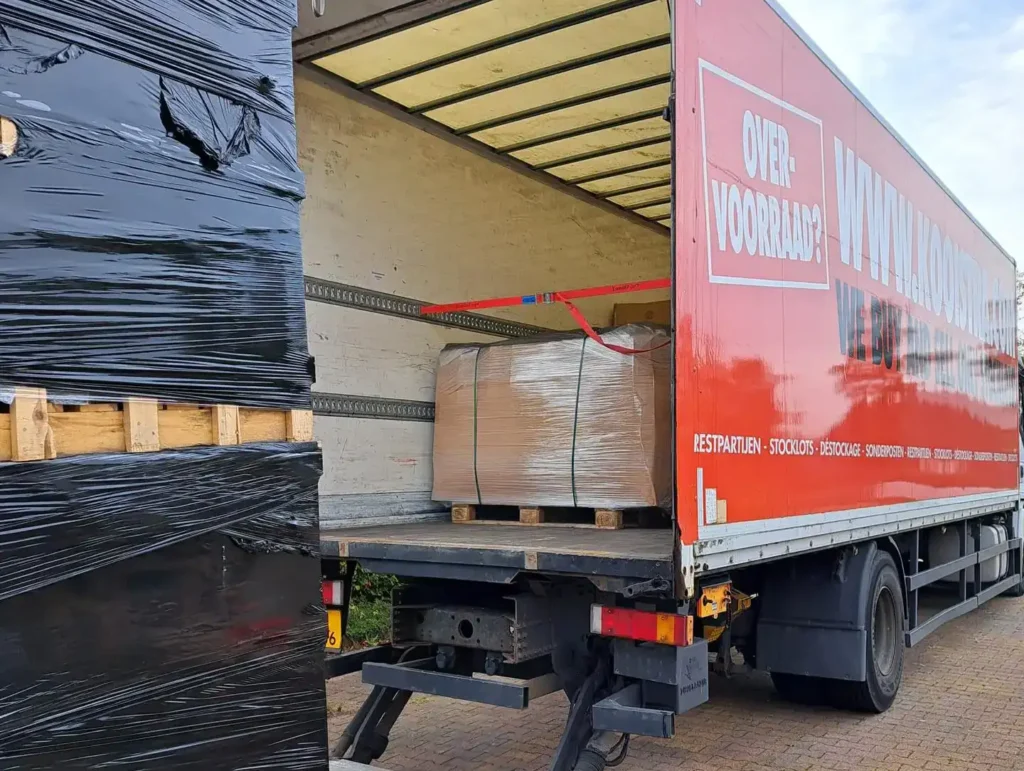
Do you have (remaining) lots, returns or collections that are no longer selling well? Want to clear out your warehouse or have goods with old packaging? We will gladly buy them up! As an experienced B2B buyer, we work quickly and easily. Send your offer via our form, and we will respond within one working day. Upon agreement, we pay in advance and arrange transport ourselves. It's that simple to do business with us!

After evaluating your offer, you will receive an immediate offer. We are flexible and proceed quickly. Bid - Pay - Collect.

We are the partner for reselling batches of goods outside your own sales market.

We are financially sound and we have the capacity to buy up sizeable consignments of goods.

We buy the whole lot and make no selection here. Large, small and mixed lots. We buy everything in the field of consumer goods!
From returns, b-choice items, bankruptcy lots, other redundant stock, as well as shop stocks and inventories!
*We buy no private items, 2nd hand and household goods
Offer the goods easily, and we will come up with a fair offer within 24 hours
We buy everything at once, pay the invoice immediately and collect the lot ASAP.

UITSTEKENDTrustindex verifieert dat de oorspronkelijke bron van de recensie Google is. Al meerdere keren bij Kooistra besteld en elke keer perfect geregeld. Top service, snelle reacties en snelle verzending. Duidelijke en transparante communicatie. Absoluut een aanrader!Geplaatst opTrustindex verifieert dat de oorspronkelijke bron van de recensie Google is. Ik kom er al jaren Prima handel voor Zeer goede prijs En altijd goed geholpenGeplaatst opTrustindex verifieert dat de oorspronkelijke bron van de recensie Google is. snelle verzendingGeplaatst opTrustindex verifieert dat de oorspronkelijke bron van de recensie Google is. Ik ben zeer goed geholpen bij Kooistra, hier kunnen andere bedrijven nog een voorbeeld van zijn. Van begin tot en met de levering alles prima geregeld. Ik ben in ieder geval zeer tevreden over Kooistra.Geplaatst opTrustindex verifieert dat de oorspronkelijke bron van de recensie Google is. Info via de app vlot verkregen, bestelling via de site gedaan en keurig op tijd afgeleverd.Geplaatst opTrustindex verifieert dat de oorspronkelijke bron van de recensie Google is. Uitmuntende communicatie, super kwaliteit en alles volgens afspraak geleverd. Kunnen veel bedrijven een voorbeeld aan nemen.Geplaatst opTrustindex verifieert dat de oorspronkelijke bron van de recensie Google is. Erg tevreden. Betalen vlot de facturen en houden zich aan de afspraken.Geplaatst opTrustindex verifieert dat de oorspronkelijke bron van de recensie Google is. Çok büyük bir şirket ciddi operasyonlar yapıyorlarGeplaatst opTrustindex verifieert dat de oorspronkelijke bron van de recensie Google is. Altijd zeer fijn om te werken met Kooistra, zowel met het aan- als verkopen van goederen. Een betrouwbare partij die altijd zijn afspraken nakomt.

Min. order for shipping & pick up: €150
We are happy to help!