


Many retailers think that residual stock only consists of obsolete and damaged items. However, more than 60% of residual stock concerns stock younger than 12 months, not just old or damaged goods. Wholesalers make this high-quality stock efficiently accessible and help retailers save up to 50% on purchasing costs. This article reveals how wholesalers connect retailers with quality surplus stock and the strategic advantages this yields.
| Nuance | Beskrywing |
|——-|———||
| Intermediary Wholesalers | Wholesalers connect producers and retailers with quick processing of surplus stock offers. |
| Significant cost savings | Through remaining stock, retailers can save 20 to 50% on purchasing costs without loss of quality. |
Quality control | Good quality controls and return conditions significantly limit risks for retailers.
| Fast Logistics | Logistics capacity ensures fast delivery within 48 hours thanks to large storage capacity. |
| Revenue increase | Assortment diversification with residual batches can increase revenue by up to 15% through new channels. |
Residual stock includes surplus inventory, returns, and bankruptcy stock that manufacturers and retailers want to offload. This stock arises from changing demand, seasonal surpluses, or business closures. For retailers, residual stock represents a strategic source for assortment expansion and cost reduction.
The surplus stock market is growing due to economic factors and offers opportunities for retailers. Consumers are demanding more variety at lower prices. At the same time, companies are producing surpluses due to uncertain market conditions. This combination is creating a growing market where smart retailers benefit from advantageous purchasing.
Surplus stock isn't what it seems. Many retailers assume that only damaged or outdated products are available. However, recent research shows that the majority consists of young, high-quality stock. The economic crisis and overproduction are leading to larger volumes of quality surplus stock.
Retailers are looking for affordable and flexible stock solutions to remain competitive. Remnant stock offers this flexibility by:
The market value of surplus stock is increasing as retailers embrace sustainability. Reusing excess inventory reduces waste and supports a circular economy. This development strengthens the position of wholesalers as facilitators between surplus and demand.
Wholesalers act as a crucial intermediary between producers, liquidation companies, and retailers. They purchase large volumes of surplus stock and distribute it efficiently to their customer base. These The function of wholesalers in bargain lot trading optimises the entire supply chain.
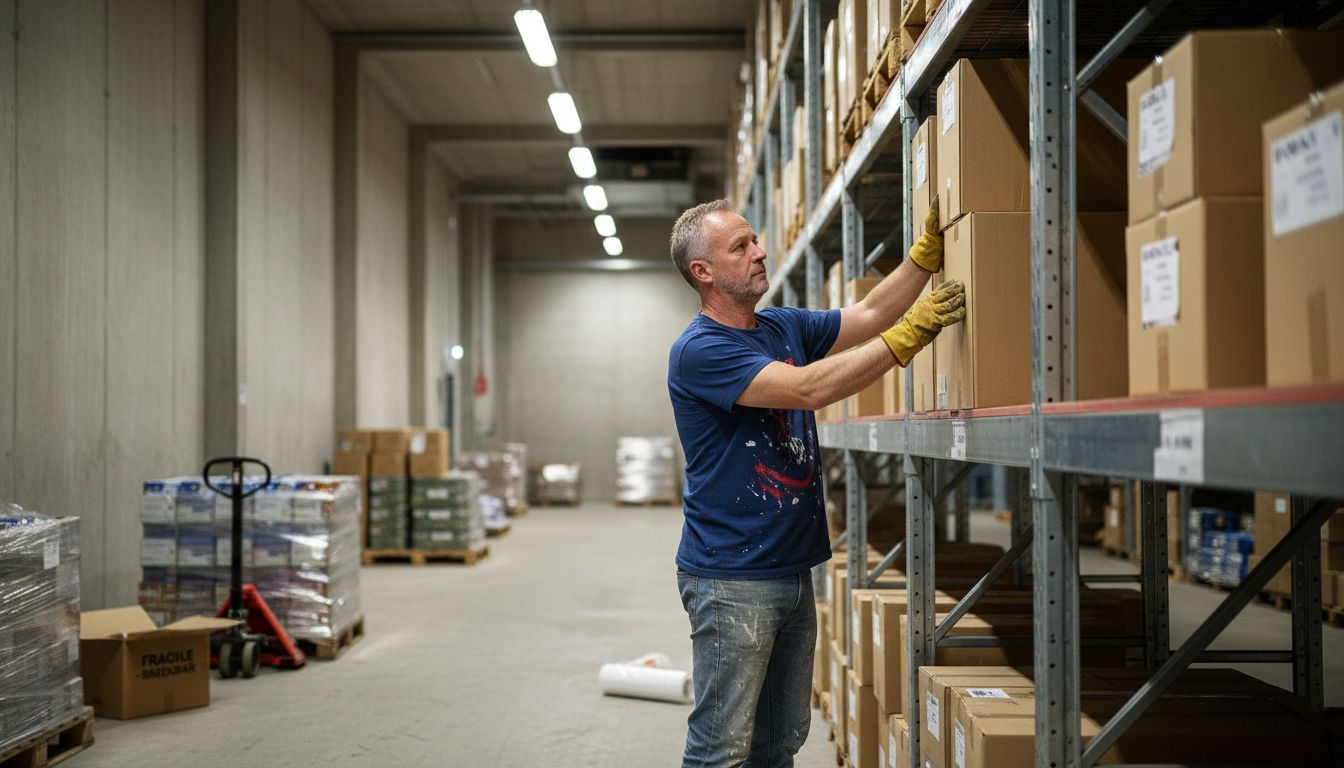
Wholesalers have large storage capacities and offer speed and economies of scale. a 15,000 m² warehouse allows them to store large batches and distribute them quickly. this infrastructure translates into competitive prices for retailers who purchase smaller volumes.
The operational advantages of wholesale clearance stock suppliers include:
Economies of scale play a decisive role. Wholesalers purchase volumes that individual retailers cannot handle, leading to purchase prices well below market value. They pass these advantages on to customers, positioning retailers with competitive retail prices.
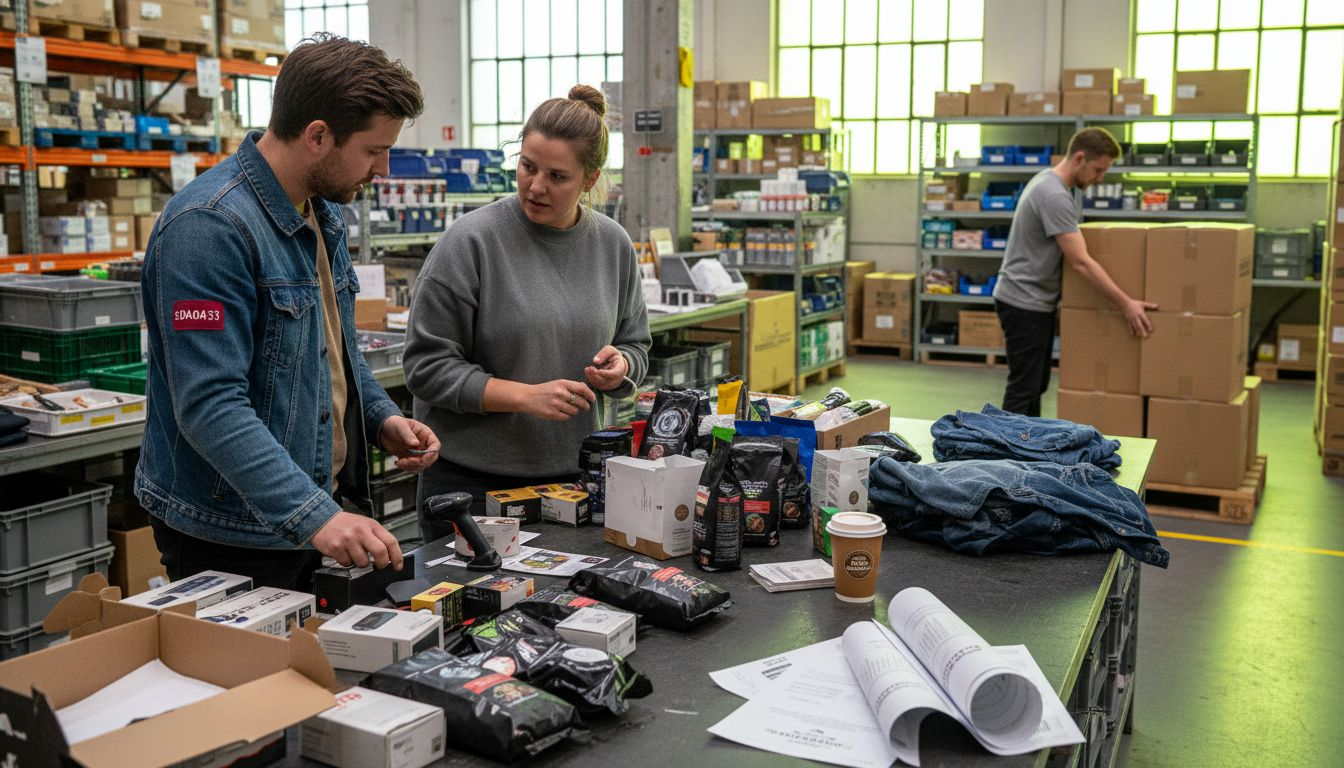
Quality and risk control are strictly implemented by wholesalers. Every product undergoes inspection before it reaches the showroom. Damaged items are filtered out or sold separately with clear labelling. This control protects retailers from unexpected quality issues.
Pro-tip: Visit your wholesaler's showroom regularly to discover new clearance stock before other retailers snap them up. Personal contact strengthens relationships and grants access to exclusive deals.
Wholesalers also offer administrative relief. They arrange transport, insurance, and customs formalities for international shipments. For small retailers without their own logistics, this is crucial. It allows them to concentrate on sales rather than operational details.
Retailers save 20 to 50% on purchases via wholesalers in surplus stock. This significant cost saving on surplus stock arises from economies of scale and direct handling. Wholesalers purchase large volumes at rock-bottom prices and pass these advantages on.
Financial benefits manifest on multiple levels. Lower purchasing prices increase the profit margin per product. At the same time, retailers can offer competitive sales prices to gain market share. Fast inventory rotation reduces capital tied up in stock and storage costs.
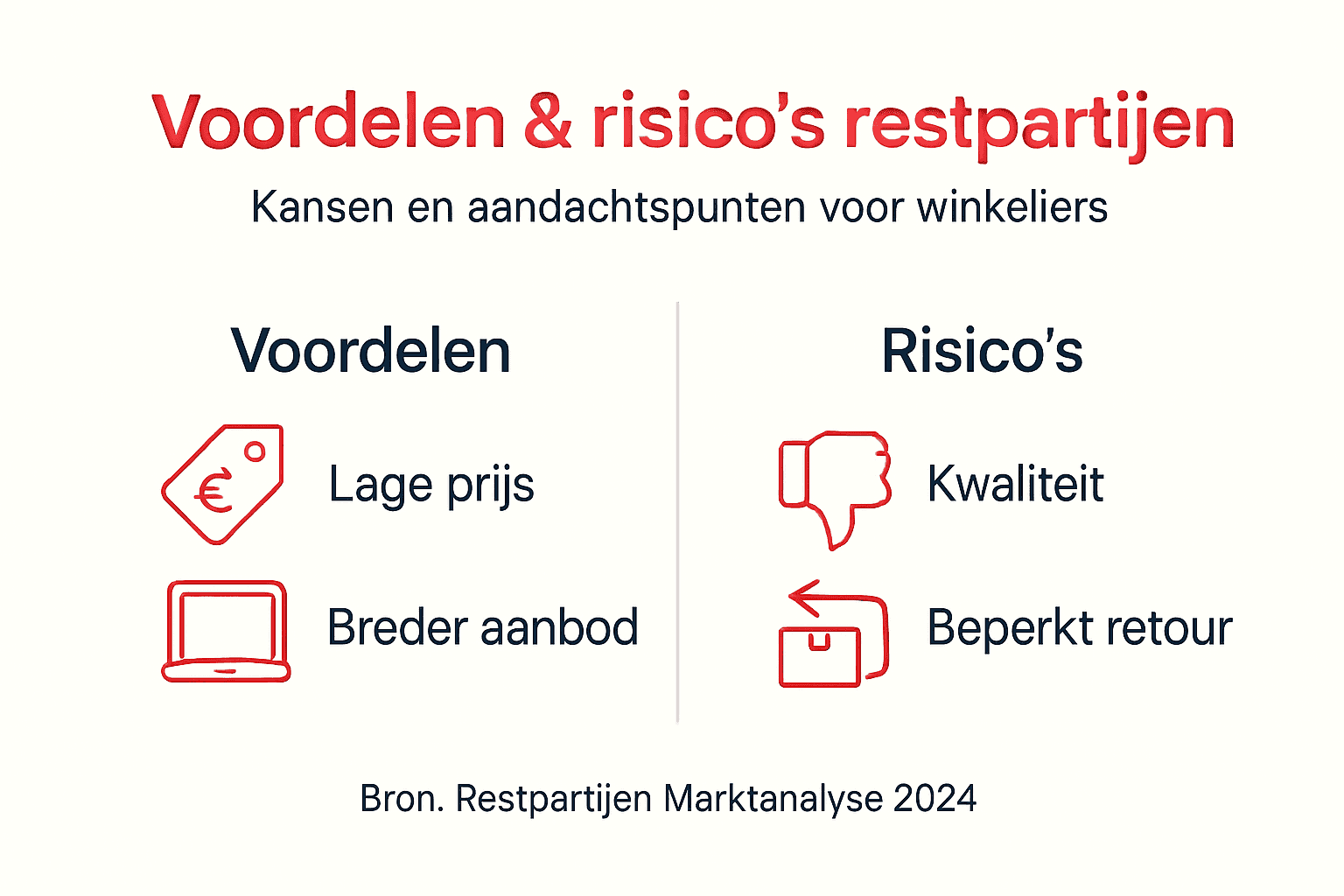
However, remaining stock also entails risks. Variable product quality can occur despite checks. Limited guarantees or a lack of return options increase the risk with defective products. Some batches contain seasonal items that are difficult to sell out of season.
| Advantages | Risks |
|---|---|
| 20 to 50% lower purchase prices | Variable product quality possible |
| Higher profit margins per product | Limited warranties on items |
| Fast stock rotation possible | Seasonal stock difficult to sell |
| Competitive selling prices achievable | Return policy sometimes unclear |
| Capital commitment reduces | Stock not always immediately available |
Reliable wholesalers effectively mitigate these risks. They carry out 100% quality checks on all incoming stock. Defective products are sold separately or rejected. Transparent product information assists retailers in making informed decisions.
Return options within 7 days offer extra reassurance. If products don't meet expectations, retailers can send them back. This guarantee significantly reduces financial risk. Always check the return conditions before buying a large batch.
Pro-tip: Start with a small test batch before purchasing large volumes. Assess quality, sales speed, and customer satisfaction. This approach minimises risks while you test your collaboration with a wholesaler.
Transparency forms the basis for successful remainder trade. Reliable wholesalers share detailed product specifications, photos and origin information. They communicate honestly about any defects or limitations. This openness prevents disappointment and builds long-term relationships.
Clearance stock helps to broaden the range without extra cost. Retailers experiment with new product categories without major investment. If a product doesn't sell, the loss is limited by the low purchase price. This flexibility encourages innovation in your shop.
The strategic use of leftover stock increases customer loyalty and revenue. Customers appreciate variety and surprising offers. By regularly adding new leftover stock, you create a reason for repeat visits. This strengthens loyalty and encourages impulse purchases.
Revenue increases of up to 15%% are realistic with thoughtful use of residual stock and assortment diversification. Retailers who integrate residual stock into omnichannel strategies see even better results. The combination of physical stores, online shops, and social media maximises reach and conversion.
Remainder stock integrates seamlessly into omnichannel sales channels. Online sales of remainder batches generate extra revenue without filling physical shop space. Social media promotions create urgency around limited stock. These strategies increase the boost in revenue from remainder batches by an average of 10% extra.
Statistics Retailers who cleverly utilise end-of-line stock via omnichannel strategies achieve up to 25% total revenue growth through the combined effects of assortment expansion and new sales channels.
Flexibility in inventory management helps respond to market changes. Residual stock fills gaps in your assortment during peak periods. They offer alternatives when regular suppliers experience delays. This agility protects against loss of revenue.
Practical applications of leftover stock for assortment diversification:
Retailers maximise profits by strategically positioning clearance stock. Place it prominently in the store to encourage impulse purchases. Online promotions via newsletters and social media create urgency. These tactics optimise both visibility and conversion.
Successful residual stock purchasing starts with thorough preparation. Accurately inventory your stock and assortment needs beforehand. Identify gaps in your current offering and determine which product categories require replenishment. This analysis prevents impulse purchases that don't align with your target audience.
Select wholesalers with transparent product information and guarantees. Reliable wholesalers such as Kooistra.com offer transparency and quality control.. They share photos, specifications, and provenance data. This transparency allows you to make informed decisions.
Quality control is central to successful purchasing. If possible, visit the showroom to inspect products in person. Check packaging, functions and overall condition. For online purchases, request detailed photos and guarantees regarding quality.
Return conditions form a crucial safety measure. Confirm in writing within what timeframe you can return products. Understand what costs are associated with returns. This clarity protects your investment in case of disappointing quality.
Pro-tip: Build a long-term relationship with your wholesale supplier through regular contact and reliable payments. Loyal customers often get first access to new stock and exclusive deals.
Delivery terms affect your operational planning. Contract fast turnaround times to avoid stock shortages. Enquire about shipping options and any express deliveries. Reliable logistics prevent missed sales opportunities during peak periods.
Systematically monitor sales results to optimise your purchasing strategy. Track which leftover stock sells quickly and which remains unsold. Analyse profit margins per product category. This data informs future purchasing decisions and maximises returns.
Many retailers make the mistake of buying excessively large volumes without market testing. Start small and scale up based on actual sales. This phased approach minimises risks while you learn which leftover stock suits your target audience. Adjust your strategy based on concrete results.
The surplus stock market is growing and becoming increasingly important for retailers. Economic uncertainty and overproduction are constantly creating new volumes of quality stock. Smart retailers seize these opportunities through collaboration with reliable wholesalers.
Wholesalers remain engines for cost saving, sustainability and range. Their economies of scale and logistical capacity make surplus stock accessible to small retailers. This democratisation strengthens the competitive position of local shopkeepers against large chains.
Digitalisation and international cooperation enhance efficiency and transparency. Online platforms facilitate direct connections between wholesalers and retailers. Real-time stock overviews and automated orders accelerate transactions. These technological developments lower barriers to international trade.
Quality, speed, and reliability remain decisive factors. Wholesalers that invest in strict quality controls and fast delivery gain market share. Transparency regarding product origin and specifications builds trust. These elements form the basis for long-term partnerships.
Retailers profit from clearance lots with the right selections and collaboration with wholesalers. Thorough preparation, critical supplier selection and systematic monitoring optimise results. The combination of low costs, assortment flexibility and sustainability makes clearance lots a strategic success factor for modern retail.
Are you looking for a reliable partner for quality leftover stock? Kooistra.com Since 1979, we have offered an extensive range of clearance stock with guaranteed quality. Our 15,000 m² warehouse ensures fast delivery within 48 hours, so you'll never be out of stock.
You benefit from sharp prices thanks to our economies of scale and direct purchasing from producers. Transparency and certainty are paramount with 100% quality checks and a 7-day return policy. When purchasing remaining stock, we buy from Kooistra.com You get access to diverse product categories for each store format.
Discover our mixed pallets for assortment diversification Expand your offering efficiently without large investments. With less risk through control over remaining stock, you maximise returns. Contact us today for a personal tour of our showroom.
No, more than 60% of remaining stock consists of inventory less than 12 months old with quality comparable to new products. Reliable wholesalers carry out strict quality checks and filter out damaged items. You get high-quality products at competitive prices.
Reliable wholesalers such as Kooistra.com offer a 7-day return policy if products do not meet specifications. They provide detailed product information and photos in advance. Upon Kooistra.com All items undergo 100% quality control before shipping. Always ask about specific warranty conditions before purchasing.
Wholesalers with large storage capacity usually deliver within 48 hours of confirmation. Kooistra.com has 15,000 m² of warehouse space for immediate delivery. Dispatch within Europe takes 2 to 5 working days depending on the destination. Express deliveries are often possible for urgent orders at an additional cost.
Many wholesalers offer flexible purchasing options for both small retailers and large online shops. Mixed pallets combine various products in smaller volumes, ideal for beginners. However, larger volumes command sharper prices due to economies of scale. Start small to test products and scale up based on sales results.
Buy seasonal products well in advance of the season and sell them during peak periods. FAQs about leftover stock confirm that timing is crucial. Mix seasonal items with evergreen products for continuous revenue. Monitor trends and adjust your purchasing to market demand.
Wholesalers of residual stock offer a wide range of products, from electronics, clothing and toys to household items. Kooistra.com Sells surplus stock from various brands and categories. The range constantly changes due to new incoming batches. Visit the showroom or website regularly for current availability and exclusive deals.

After evaluating your offer, you will receive an immediate offer. We are flexible and proceed quickly. Bid - Pay - Collect.

We are the partner for reselling batches of goods outside your own sales market.

We are financially sound and we have the capacity to buy up sizeable consignments of goods.

We buy the whole lot and make no selection here. Large, small and mixed lots. We buy everything in the field of consumer goods!


