



Many entrepreneurs think that residual stock automatically means low quality. Nothing could be further from the truth. A large part of this stock consists of high-quality surplus of cancelled orders which remain due to logistical reasons or seasonal changes. In this guide, you'll discover how to find, buy, and resell profitable leftover stock without taking any risks. You'll learn which strategies work for wholesalers, retailers, and online shops looking to maximise their profit from surplus inventory.
| Stop | Details |
|---|---|
| Realistic valuation prevents losses | Base your assessment on current market prices to avoid unsold inventory. |
| Online marketplaces increase reach | Digital platforms increase transactions by 20% per year and provide access to more buyers |
| Outsourcing saves time and money | Leave logistics to the experts so you can focus on core tasks |
| Due diligence determines success | Thorough inspection and seller knowledge reduce purchase risks |
| The low purchase price is the basis | Identify products with high market value and low purchase costs for maximum profit |
Remnant stocks are a complex problem for many companies, extending beyond simple storage. Excess inventory blocks valuable commercial space die you could use for other activities. Additionally, capital is tied up in products that aren't selling, while that money is needed elsewhere in your business for growth or new purchases.
The logistical challenges are piling up fast. You have to decide whether to store, sell, or write off batches. Each option has consequences for cash flow and operating costs. Without a targeted approach, residual batches become a structural burden that eats away at profits.
Successful traders opt for systematic solutions:
“Every day that leftover stock remains untouched, it costs money in storage, insurance, and lost opportunities for new purchases.”
The Retail and e-commerce sector evolves at breakneck speed. Companies that do not actively manage their residual stock lose their competitive edge. By taking a proactive approach, you can transform a headache into profitable merchandise.
Digital platforms are revolutionising the way leftover stock changes hands. Online marketplaces ensure 20% annual growth in transactions because they dramatically increase transparency and reach. Where you used to be dependent on local networks, you can now connect with buyers across Europe within a few clicks.
The greatest advantages of digital commerce are concentrated around three core points:
Pro-tip: Use multiple platforms simultaneously to maximise your reach. Each marketplace has its own target audience and specialisms, increasing your chances of a quick sale.
The wholesale market is increasingly functioning via online channels. Platforms offer not only sales space but also valuable data on price trends and demand patterns. These insights help you to procure more strategically and value inventory.
| Platform type | Suitable for | Average lead time |
|---|---|---|
| B2B marketplaces | Large wholesale batches | 2-4 weeks |
| Auction platforms | Mixed stock | 1-2 weeks |
| Direct traders | Quick liquidation | 3-7 days |
The Role of wholesale The supply chain is changing due to digitalisation. Intermediaries that don't offer added value are disappearing, while specialists with market knowledge are becoming more important. Online platforms make it easier to establish direct contact with end buyers, which improves margins.
By Purchase of remainder stock By organising via digital channels, you save time and increase your turnover speed. The transparency of platforms ensures more reliable transactions and fewer disputes over quality or delivery terms.
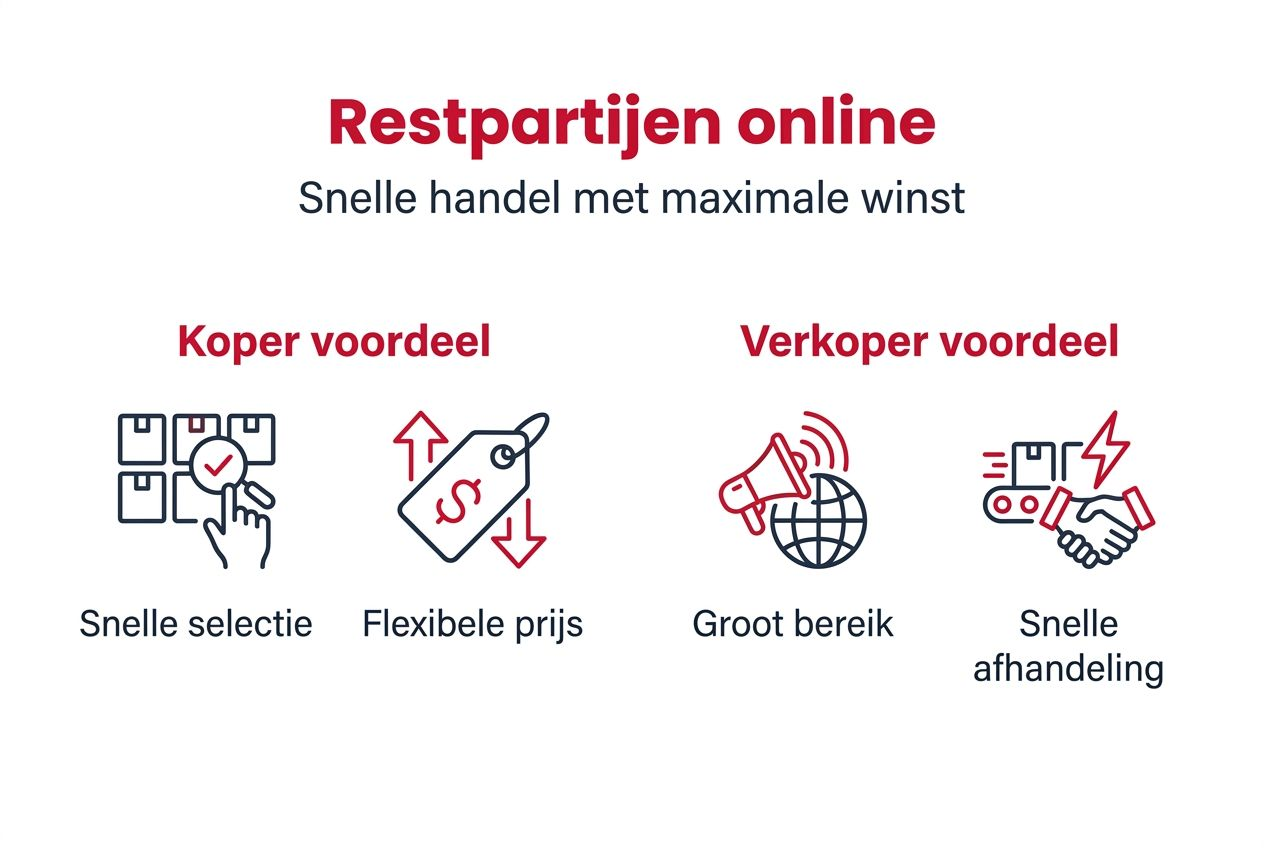
Realistic valuation forms the basis of any successful surplus stock deal. Overly optimistic estimates lead to unsold products that continue to incur costs. Always base your valuation on current market prices, not on original retail value.
Follow this systematic approach for every potential purchase:
Pro-tip: Build a database of previous purchases with prices and outcomes. This historical data will help you make accurate estimations quickly for new opportunities.
The seller's knowledge is crucial for mitigating risks. Due diligence prevents costly mistakes and provides insight into the reliability of quality claims. Ask critical questions about storage conditions, age of stock, and any reasons for returns.

| Assessment criteria | High risk signal | Low risk signal |
|---|---|---|
| Origin | Unclear source | Direct manufacturer or retailer |
| Documentation | No or incomplete papers | Complete invoices and specs |
| Inspection | Refusal or restricted access | Full transparency |
| Price | Well below market price for no reason | Realistic with clear motivation |
The Remaining stock market requires thorough control to avoid being left with worthless stock. Invest time in building relationships with reliable suppliers. These networks give you access to better quality stock before it appears on open marketplaces.
Use a Procurement checklist To systematically assess all aspects. Emotion has no place when evaluating remaindered stock. Cold, hard business calculation determines whether a deal is profitable or not.
Successful clearance stock trading revolves around finding products with low purchase costs and high resale value. Identify these opportunities by analysing market data and following trends. You can buy seasonal products for a fraction and resell them optimally with timing.
Implement this proven workflow for maximum efficiency
Data is your secret weapon in the remainder trade. Keeping track of which product categories sell quickly and which linger will help you improve your purchasing decisions. Within three months, you'll have enough information to recognise patterns.
Consider outsourcing time-consuming activities:
By outsourcing non-core activities, you focus on what really generates profit: smart purchasing and rapid resale. The procurement strategies You can also apply the work done for major players with outsourcing for smaller companies.
A structured Resale workflow Increases your efficiency by 30% or more. Automate where possible, but maintain personal contact for large transactions. Buyers appreciate direct communication for complex deals.
If you want to convert leftover stock into profit without taking on all the risks yourself, collaborating with a specialised partner offers concrete advantages. Kooistra.com combines over 45 years of experience with modern processes to optimise your leftover stock management.
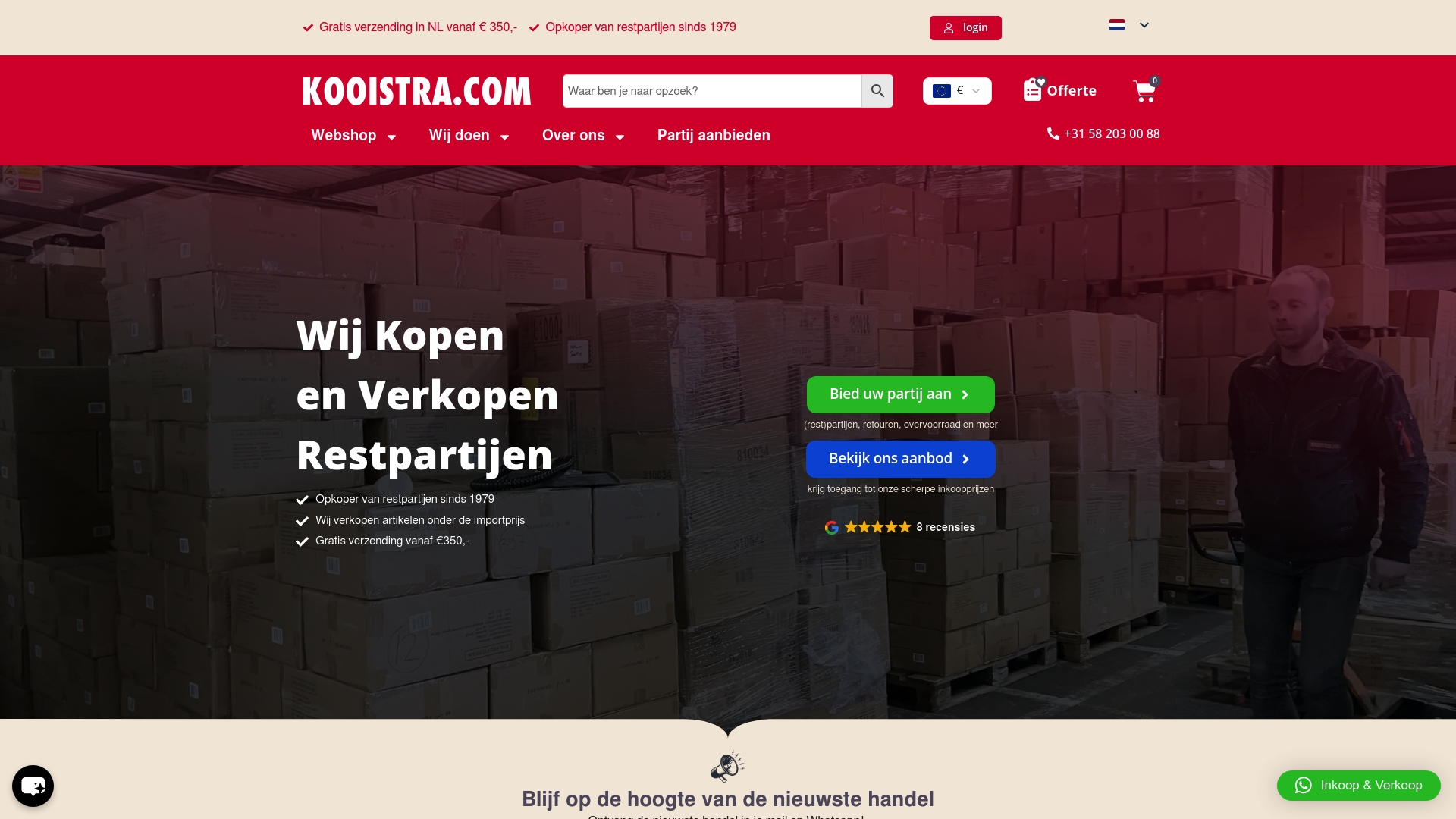
Whether you want to sell excess stock or sharply buying for resale, transparent appreciation and quick processing make the difference. With 15,000 m² of warehouse space and direct payment, you eliminate waiting times and immediately improve your cash flow. Discover the benefits that professional purchase of remaining stock can bring to your company.
Clearance stock consists of excess inventory, cancelled orders, seasonal stock, or returned items that are sold at substantially reduced prices. For retailers, they offer opportunities to purchase high-quality products with margins that would be unachievable through regular purchasing. The low purchase price often compensates for minor imperfections or the risk of varying composition.
Always physically inspect a representative sample before purchasing. Request inspection reports, certificates, or other documentation that confirms quality. Check why the stock is available, as the reason reveals a lot about potential defects. Reliable sellers allow inspection and provide transparent information.
Outsourcing saves time you would otherwise spend on sorting, storage, and administration. It significantly reduces operational burdens such as staffing and warehouse space. By outsourcing logistics, you can focus on your core activities: purchasing and sales, where the real profit lies.
Digital platforms connect buyers and sellers more efficiently than traditional networks ever could. They drive% annual growth in transactions by drastically increasing reach and transparency. Online marketplaces provide access to international buyers, which improves pricing and shortens lead times for sellers of leftover stock.

After evaluating your offer, you will receive an immediate offer. We are flexible and proceed quickly. Bid - Pay - Collect.

We are the partner for reselling batches of goods outside your own sales market.

We are financially sound and we have the capacity to buy up sizeable consignments of goods.

We buy the whole lot and make no selection here. Large, small and mixed lots. We buy everything in the field of consumer goods!


