


Retailers and online shops looking to expand their product range without exceeding their budget are increasingly discovering the value of wholesalers. These intermediaries offer access to clearance lots and excess stock with discounts of up to 70%, This allows retailers to drastically reduce their purchasing costs. However, choosing the right wholesaler requires more than just price comparison. You need to consider quality, reliability, and service to prevent cheap purchasing from leading to costly problems. This guide explores why wholesalers are essential for cost-effective stock expansion and how retailers can make the best choices.
| Punt | Details |
|---|---|
| Volume and remainder discounts | Wholesalers offer discounts of up to 70%% on excess stock, significantly lowering your purchasing costs. |
| Administrative efficiency | One supplier for multiple product lines means fewer invoices and simpler administration. |
| Risk management | Careful selection of reliable wholesalers prevents financial losses and improves customer satisfaction. |
| Assortment enhancement | Clearance stock offers opportunities to expand your product range with lower investments. |
| Transparent platforms | Professional systems with grading and reviews make purchasing more transparent and secure. |
A wholesaler acts as a crucial link between producers and retailers. This intermediary buys large volumes directly from manufacturers or importers and resells them to shopkeepers, online stores, and other business customers. For you as a retailer, this means access to products at prices you could never negotiate yourself by buying directly.
The main reason why wholesalers are so valuable lies in their economies of scale. Wholesalers offer significant cost advantages through volume discounts and access to leftover stock. When a wholesaler buys thousands of units, they receive discounts that they partly pass on to their customers. For leftover stock and excess inventory, these savings are even more extreme, as suppliers want to get rid of this stock quickly. Discounts of 30% to 70% are not uncommon.
The convenience of one supplier for multiple product categories saves you a huge amount of time. Instead of managing ten different suppliers with separate orders, invoices and deliveries, you work with one point of contact. This simplifies your administration and reduces your operational costs. For small webshops that don't yet have a large purchasing team, this is the difference between profitability and loss.
For retailers and web shops that their Explanation wholesale market 2026 To understand this, it is important to realise that wholesalers also bring expertise. They are aware of market trends, can advise on popular products and help you optimise your assortment choices. This strategic value goes beyond just price advantage.
Pro-tip: Start with small test orders from a new wholesaler to evaluate quality, delivery times, and service before making large investments. This minimises risks and helps you identify reliable partners.
The main advantages summarised:
Remainder batches are products that are not sold through regular channels for various reasons. These can include seasonal items that arrived late, overstocks from product launches, returned goods that have been checked, or stock from companies that went bankrupt. Wholesalers purchase these batches in bulk and offer them at heavily discounted prices.
The benefits for you as a buyer are considerable. Residual stock offers discounts of 30% to 70% compared to regular purchasing prices. This means you can sell products with healthy margins while still offering competitive prices. For webshops focused on price competition, this can be the difference between market leadership and irrelevance.
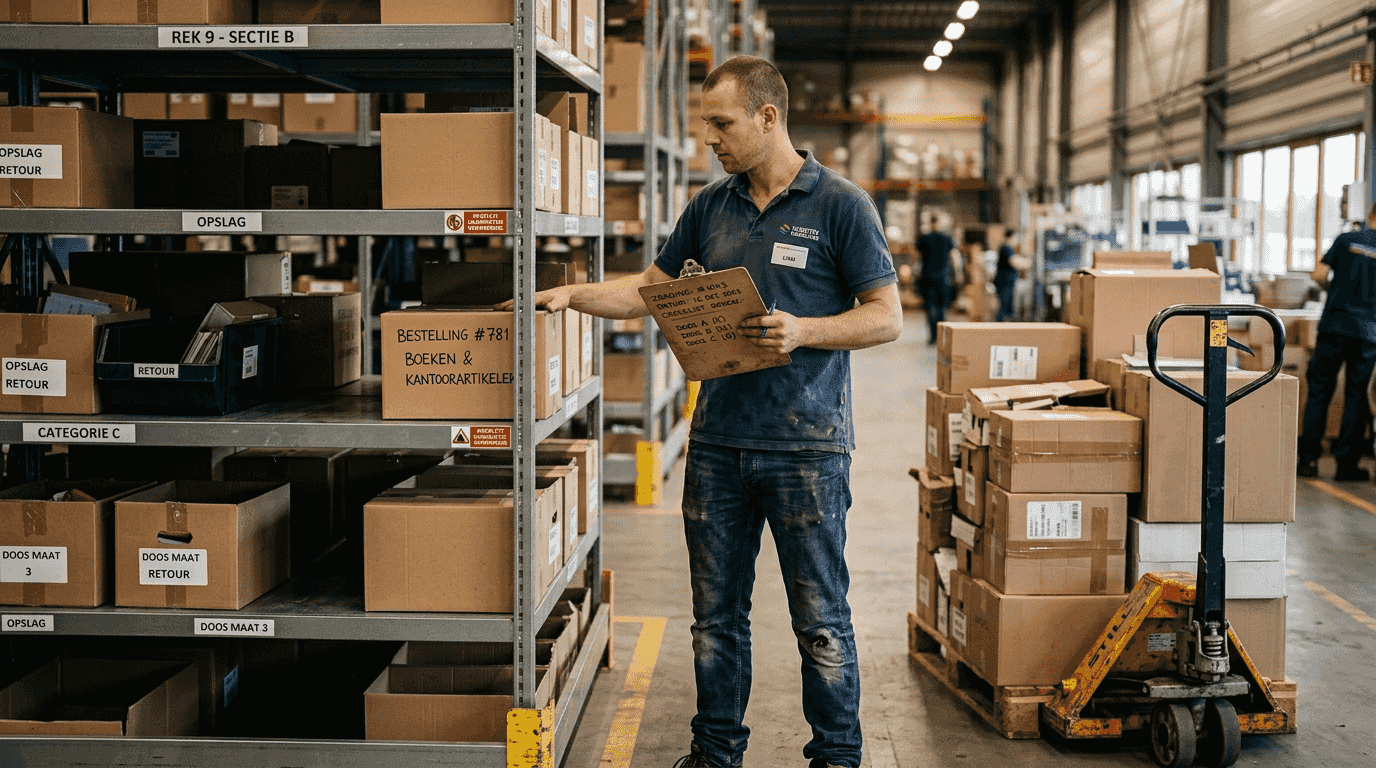
Assortment expansion also becomes more accessible. With a limited budget, you can add multiple product categories by strategically purchasing clearance stock. For example, a clothing store could add shoes, or an electronics webshop could include accessories without large upfront investments. This flexibility helps you better serve customer needs.
The downside is that residual batches carry risks. Not all batches are of equal quality. Buying residual stock requires careful consideration To avoid ending up with unsellable stock. Origin control is essential, as products from questionable sources can lead to legal or quality issues.
Professional platforms make this process more transparent. Transparency grading systems These help you understand the condition of products before you buy. Grade A means new in original packaging, Grade B may have cosmetic defects, and Grade C can have functional issues. This classification prevents surprises and helps you set realistic expectations.
| Rating | State | Discount percentage | Suitable for |
|---|---|---|---|
| Grade A | New, original packaging | 30-50% | Regular sales, premium channels |
| Grade B | Minor cosmetic defects | 50-65% | Outlet, budget online shops |
| Grade C | Functional or visible damage | 65-80% | Parts, repair, very low price segment |
For more information on how to Remaining stock model year 2026 When used effectively, it is crucial to align your purchasing strategy with your target audience. Luxury retailers should limit themselves to Grade A, while budget web shops can also profitably sell lower grades.
Pro-tip: Start with small batches of one product category and thoroughly analyse your sales data before making larger investments. This will help you understand which surplus stock your customers value and which risks are too great.
The Procurement strategies for residual stock 2026 Timing is also important. Seasonal items are cheapest after the season, but they also sell more slowly then. Balancing discounts and sales speed is an art that you develop with experience.
Selecting a reliable wholesaler is crucial for the success of your purchasing strategy. The wrong choice leads to quality issues, logistical delays and financial losses. The right partner, on the other hand, strengthens your competitive position and increases your profitability.
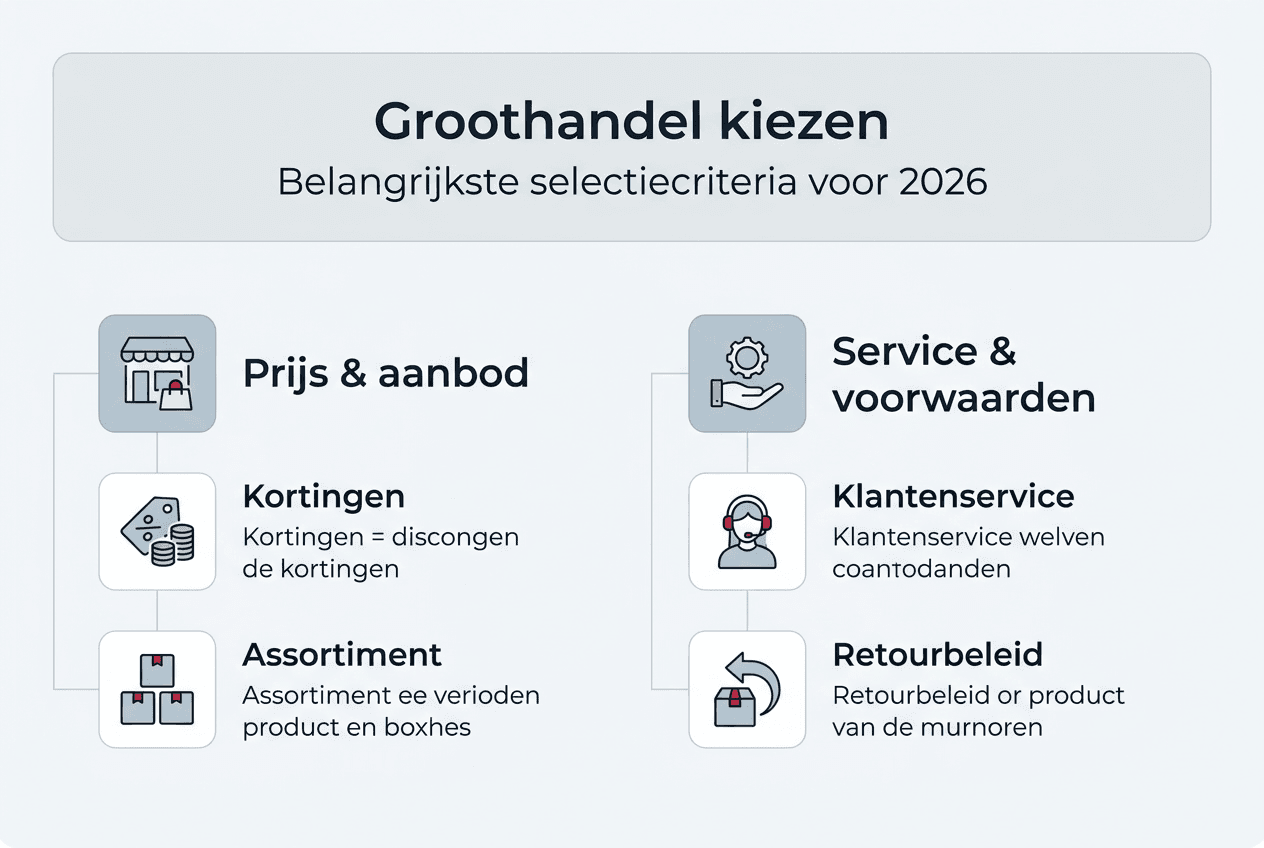
Customer service is an often underestimated factor. Poor customer service leads to 15-20%% lower customer satisfaction and more returns. A wholesaler that responds quickly to queries, offers clear communication, and resolves issues proactively saves you time and frustration. This is particularly important when working with surplus stock, where ambiguities about quality or quantities can arise.
Flexible return policies protect you from financial risks. Some wholesalers do not accept returns, meaning you are fully responsible for incorrect orders or quality issues. Others offer a return window of 14 to 30 days. This flexibility gives you the space to inspect products and raise any issues without suffering immediate losses.
Alignment with your product category and market segment is crucial. A wholesaler specialising in electronics will understand the technical requirements and quality standards of that segment better than a general trader. This expertise translates into better product selection, more accurate descriptions, and more relevant advice. For the Remainder market less risk with control Is specialisation an important selection criterion.
Transparency regarding product origin and condition prevents unpleasant surprises. Enquire about the origin of remaining stock, inspection processes, and any warranties. Reliable wholesalers share this information openly and even offer opportunities to inspect stock before you buy.
“The best wholesaler isn't always the cheapest, but the one that delivers consistent quality, communicates transparently and offers flexible terms. These factors determine your long-term profitability more than a few percent difference in discount.”
A practical checklist for selecting wholesalers:
Successful purchasing from wholesalers requires more than just finding the lowest price. You need to think strategically about stock rotation, risk diversification, and timing to achieve maximum return.
Regularly analyse your sales data to support purchasing decisions. Which remaining stock sold quickly and with good margins? Which remained unsold and had to be discounted? These insights will help you optimise future purchases. Use your webshop analytics to identify trends and make predictions about demand.
The choice between auctions and direct purchase affects your costs and risks. Direct purchases are sometimes less favourable and auctions for specific products. Auctions can yield lower prices but require quick decisions and offer fewer guarantees. Direct purchase gives you more control and time for due diligence, but at potentially higher prices.
Systematically compare multiple wholesalers before placing large orders. Create a spreadsheet with prices, delivery times, minimum order sizes, and service conditions. This objective comparison will prevent emotional decisions and help you identify the best value.
| Aspect | Direct purchase | Auction |
|---|---|---|
| Price certainty | Fixed price, predictable | Variable, can be lower or higher |
| Inspection time | Room for due diligence | Limited time, quick decision required |
| Risk | Stock, more information available | Higher, fewer guarantees |
| Suitable for | Planned purchasing, fixed assortments | Opportunistic deals, flexible retailers |
Seven practical tips for effective procurement:
Pro-tip: Use reliable platforms with customer reviews and transparent rating systems to evaluate wholesalers. Read both positive and negative experiences to get a realistic idea of what to expect.
For detailed information on the full clearance sales process explanation 2026, including logistical considerations and administrative steps, it is valuable to delve into the best practices of experienced retailers. Learn from their mistakes and successes to shorten your own learning curve.
Timing also plays a role. Buying at the end of a season or quarter often yields better deals, as wholesalers want to hit their figures and make space for new stock. This strategic timing can increase your savings by 10% to 20%.
Now that you understand how wholesalers work and which factors are important when selecting one, the next step is to find a reliable partner. Kooistra.com has offered transparent access to clearance lines and excess stock for retailers and webshops across Europe since 1979.
With a warehouse of 15,000 m² and professional grading of all stock, we offer Kooistra.com the certainty you need when purchasing residual stock. The right support helps you lower your purchasing costs by an average of 40%to 50%, allowing you to price more competitively without sacrificing margins. The platform displays clear photos, detailed descriptions, and realistic price indications, so you can make informed decisions.
The residual market is less risky in practice when you work with specialists who know the sector inside out. Kooistra.com combines sharp prices with personal service, fast processing and flexible payment terms. For more insight into the Rol wholesale clearance lots 2026 and how this can strengthen your business, view the current offers at Kooistra.com remainder stock and discover which options suit your range.
The main advantages are significant cost savings through volume discounts and access to surplus stock at discounts of up to 70%. Furthermore, a single supplier simplifies your administration and logistics, saving time and money. Wholesalers also offer expertise on market trends and help you optimise your product range choices.
Reliable wholesalers demonstrate transparency about product origin, use professional grading systems, and offer clear return conditions. Look for companies with long-standing experience, positive customer reviews, and a willingness to allow stock inspection. Good communication and responsive customer service are also important indicators of reliability.
Start with small test orders to evaluate quality and service before making large investments. Always check the grading and origin of products, and thoroughly read the returns policy. Analyse your sales data to understand which clearance lots are profitable for your target audience. Diversify your suppliers to avoid dependency.
Yes, auctions and online marketplaces offer alternative ways to purchase remaining stock, often at even lower prices. However, these options require quicker decisions and offer fewer guarantees. For opportunistic deals, auctions can be very advantageous, but for planned purchasing and consistent quality, direct wholesale relationships are more reliable.
Start with complementary product categories that align with your current offerings and customer needs. Use clearance stock strategically for promotions and seasonal sales to attract customers without damaging your regular margins. Analyze which clearance items sell quickly and repeat successful purchases. Communicate transparently with customers about the nature of clearance stock to manage expectations and minimise returns.

After evaluating your offer, you will receive an immediate offer. We are flexible and proceed quickly. Bid - Pay - Collect.

We are the partner for reselling batches of goods outside your own sales market.

We are financially sound and we have the capacity to buy up sizeable consignments of goods.

We buy the whole lot and make no selection here. Large, small and mixed lots. We buy everything in the field of consumer goods!


